
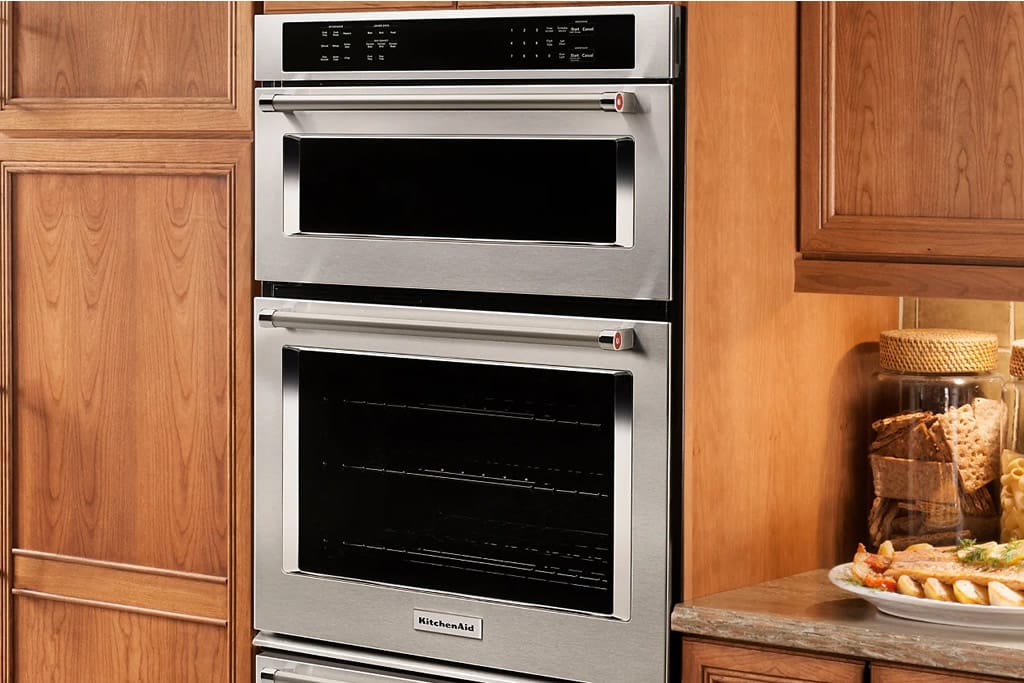
Choosing between a double oven and a single oven might seem simple at first—but once you start comparing features, space, and performance, it quickly becomes a bigger decision. Both options have clear advantages, and the right choice depends on how you cook, how much space you have, and what you expect from your kitchen appliances.
In this guide, you’ll learn the real differences between single and double ovens, the pros and cons of each, and which option is best for your lifestyle.
What Is the Difference Between a Single and Double Oven?
A single oven has one cooking cavity, meaning you can only cook at one temperature at a time. A double oven, on the other hand, features two separate compartments that can operate independently. This means with a double oven, you can bake, roast, or broil multiple dishes simultaneously using different temperatures and settings—something a single oven simply cannot do.
Double Oven Advantages: More Flexibility and Cooking Power
One of the biggest reasons homeowners choose a double oven is flexibility. If you regularly cook large meals or entertain guests, having two separate cooking spaces can make a huge difference. With a double oven, you can prepare multiple dishes at once without worrying about timing conflicts. For example, you can roast meat in one oven while baking dessert in the other, each at a different temperature.
Another major benefit is increased capacity. Double ovens provide more overall cooking space, making them ideal for large families or special occasions like holidays. They can also improve efficiency in certain situations. Many models allow you to use just one smaller compartment for everyday cooking, which can save energy compared to heating a full-size oven.
In short, a double oven is perfect if you cook frequently, prepare multiple dishes at once, or want maximum versatility in your kitchen.
Double Oven Disadvantages: Cost, Space, and Maintenance
Despite the benefits, double ovens are not always the best choice for everyone. The most noticeable downside is cost. Double ovens are generally more expensive than single ovens, both in terms of purchase price and installation. They also require more space, especially wall oven models. If your kitchen is small or already crowded, installing a double oven may not be practical. Another factor to consider is maintenance. With two compartments, you’ll have more surfaces to clean and potentially more components that could require repair over time.
For many homeowners, these drawbacks outweigh the benefits—especially if the extra capacity is rarely used.
Single Oven Advantages: Simplicity and Efficiency
A single oven remains the most popular choice for a reason. It offers a simple, efficient solution for everyday cooking needs. One of its biggest advantages is energy efficiency. Because there is only one cooking cavity, single ovens typically heat up faster and use less energy overall. They are also more budget-friendly. In most cases, a single oven costs less to purchase and install, making it a practical option for homeowners who want reliable performance without a high upfront investment.
Another benefit is space-saving design. Single ovens take up less room, making them ideal for smaller kitchens or apartments. For individuals, couples, or small families, a single oven is often more than enough for daily cooking.
Single Oven Disadvantages: Limited Capacity and Flexibility
The main limitation of a single oven is its lack of flexibility. Because you can only cook at one temperature at a time, preparing multiple dishes can become a challenge. You may need to cook items in batches or carefully plan cooking times to avoid conflicts.
Capacity can also be an issue when entertaining guests or preparing large meals. A single oven may struggle to handle multiple dishes at once, which can slow down your cooking process. Additionally, using a full-size oven for small meals can sometimes waste energy, especially if you only need to heat a small portion of food.
Which Option Is Better for Your Lifestyle?
Choosing between a double oven and a single oven ultimately comes down to how you use your kitchen. If you cook large meals regularly, enjoy hosting gatherings, or need the flexibility to prepare multiple dishes at once, a double oven is likely the better choice. It offers convenience, efficiency for large-scale cooking, and greater versatility overall. On the other hand, if your cooking routine is simple and you rarely need extra capacity, a single oven is the more practical option. It saves space, reduces costs, and handles everyday cooking tasks with ease.
Modern appliances are also changing the equation. Multi-functional ovens, air fryers, and combination units can provide additional flexibility without requiring a full double oven setup.
This means many homeowners can achieve similar results with a single oven and a few complementary appliances.
Key Factors to Consider Before Buying
Before making a final decision, it’s important to evaluate your specific needs. Think about how often you cook multiple dishes at once, how much space you have available, and your overall budget. Also consider your long-term plans—if you enjoy cooking or expect your household to grow, investing in a double oven may be worthwhile. However, if you value simplicity, efficiency, and lower costs, a single oven will likely meet your needs without unnecessary complexity.
When comparing a double oven vs a single oven, there is no one-size-fits-all answer. Both options offer unique benefits, and the best choice depends on your cooking habits, kitchen layout, and budget.A double oven delivers flexibility and capacity, making it ideal for larger households and frequent entertainers. A single oven offers simplicity, efficiency, and affordability, making it perfect for everyday use.
By understanding the differences and evaluating your needs, you can confidently choose the oven that fits your lifestyle—and ensures your kitchen works exactly the way you want it to.