
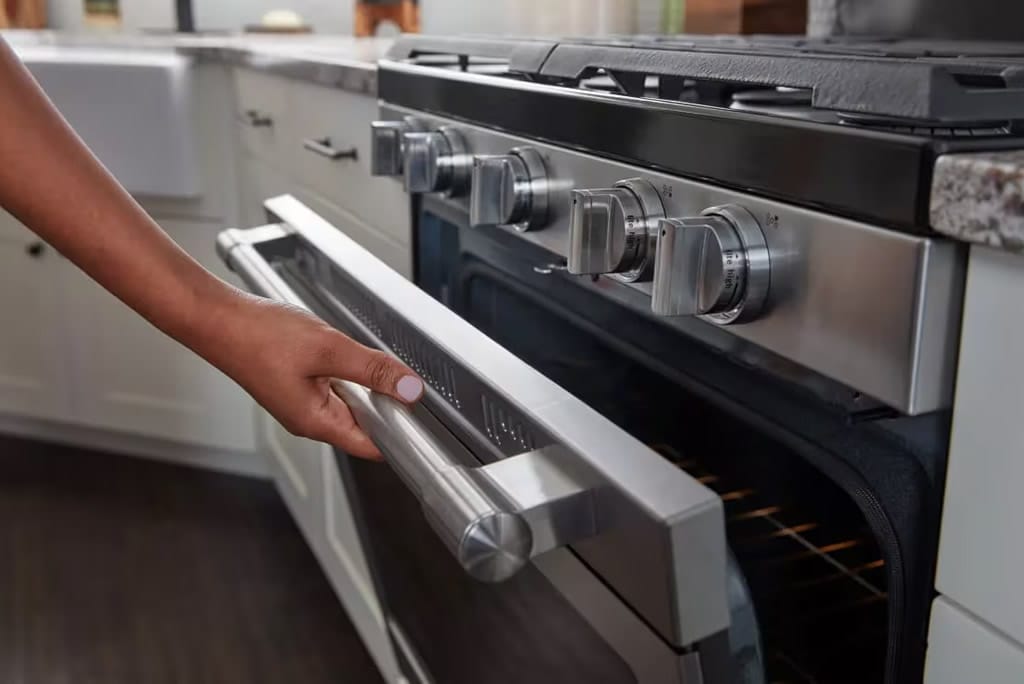
There’s nothing more frustrating than pulling a dish out of the oven only to find it undercooked in the center, burnt on the edges, or just… off. Whether you’re baking, roasting, or reheating, your oven should deliver consistent, reliable results every time. When it doesn’t, it’s a clear sign something isn’t working as it should.
The good news? In most cases, an oven that isn’t cooking properly doesn’t mean it’s time to replace it. Many issues are surprisingly simple to diagnose—and even easier to fix. In this guide, we’ll break down the most common reasons your oven isn’t cooking properly, how to identify each problem, and what you can do to get your appliance back to peak performance.
How to Tell If Your Oven Isn’t Cooking Properly
Before jumping into fixes, it’s important to confirm the problem. A malfunctioning oven usually shows clear warning signs:
- Food cooks unevenly (burnt on one side, raw on the other)
- Recipes take longer—or shorter—than expected
- Dishes come out overcooked on the outside but undercooked inside
- You notice hot and cold spots when baking
These symptoms typically point to inconsistent heat distribution or inaccurate temperature control.
1. Faulty Heating Element (Most Common Issue)
If you have an electric oven, this is the first place to look.
Your oven relies on two main heating elements:
- Bake element (bottom)
- Broil element (top)
Over time, these components wear out, crack, or burn out completely. When that happens, heat becomes uneven—or disappears entirely.
How to identify it
- The element doesn’t glow red evenly
- Visible damage like bubbles, cracks, or breaks
- Oven takes too long to preheat
How to fix it
Replacing a heating element is one of the most straightforward oven repairs. In many cases, it can be done in under an hour by a technician.
2. Temperature Sensor or Thermostat Problems
Your oven doesn’t just generate heat—it also regulates it. That’s where the temperature sensor comes in.
If this component fails or becomes misaligned:
- The oven may run too hot or too cold
- Cooking times become inconsistent
- Recipes stop turning out correctly
A faulty sensor can’t accurately measure internal temperature, which leads to poor cooking performance.
Quick fix
- Check if the sensor is touching the oven wall (it shouldn’t be)
- Recalibrate the oven if possible
- Replace the sensor if necessary
3. Oven Not Calibrated Correctly
Even if all parts are working, your oven might simply be out of calibration.
This means:
- The temperature you set isn’t the actual temperature inside
- You might be cooking at 350°F when it’s actually 300°F (or 400°F)
Why it matters
A miscalibrated oven can throw off every recipe—especially baking, where precision is critical.
What to do
- Use an oven thermometer to check accuracy
- Adjust calibration settings (many modern ovens allow this)
- Call a technician if manual calibration doesn’t fix it
Improper calibration is a surprisingly common cause of uneven cooking.
4. Broken or Blocked Convection Fan
If you own a convection oven, airflow is everything.
A working fan circulates hot air evenly, ensuring consistent cooking. But if the fan is:
- Blocked
- Dirty
- Broken
…you’ll end up with uneven heat distribution and inconsistent results.
Signs of a fan issue
- Food cooks unevenly across trays
- Some areas cook faster than others
- You don’t hear the fan running
Solution
- Clean the fan and surrounding area
- Remove any obstructions
- Replace the fan motor if needed
Poor air circulation is a major cause of uneven cooking.
5. Damaged Door Seal (Heat Is Escaping)
Your oven needs to trap heat inside to maintain a stable temperature. If the door gasket is worn or broken, heat escapes—and your cooking suffers.
Common symptoms
- Oven struggles to maintain temperature
- Longer cooking times
- Uneven results
Easy check
Run your hand near the closed oven door (carefully). If you feel heat escaping, the seal may be compromised.
Fix
Replacing the door gasket is inexpensive and can dramatically improve performance.
6. Poor Airflow Inside the Oven
Sometimes, the issue isn’t mechanical—it’s user-related.
Your oven needs proper airflow to distribute heat evenly. If you:
- Overcrowd the oven
- Block vents with foil
- Place dishes too close together
…you restrict airflow and create uneven cooking zones.
Best practices
- Leave space between dishes
- Avoid covering racks with foil
- Use the correct rack position
Restricted airflow is a common but overlooked cause of poor performance.
7. Dirty Oven Interior
A dirty oven doesn’t just look bad—it affects performance.
Grease, food residue, and debris can:
- Block heat distribution
- Reduce efficiency
- Cause uneven cooking
What to do
- Clean spills immediately
- Deep clean regularly
- Pay attention to vents and fans
Even a layer of grime can interfere with heat circulation.
8. Opening the Oven Door Too Often
This is one of the most common mistakes—and it’s completely avoidable.
Every time you open the oven door:
- Heat escapes rapidly
- Temperature drops
- Cooking time increases
In fact, even a quick peek can significantly disrupt the cooking process.
Better approach
- Use the oven light instead
- Only open the door near the end of cooking
9. Gas Oven Igniter Issues
If you have a gas oven, the problem may lie in the igniter.
A weak or failing igniter:
- Won’t properly light the gas
- Leads to low or inconsistent heat
- Causes longer cooking times
Important
Gas-related repairs should always be handled by a professional for safety reasons.
When Should You Repair vs Replace Your Oven?
Not every issue justifies a replacement. In fact, many problems are quick and affordable to fix.
Repair your oven if:
- The issue is a single component (element, sensor, fan)
- The oven is less than 10–15 years old
- Repairs are inexpensive
Consider replacing if:
- Multiple components are failing
- Repair costs are high
- The oven is older and inefficient
In many cases, replacing a worn part is far more cost-effective than buying a new appliance.
Fix the Problem Before It Gets Worse
An oven that won’t cook properly isn’t just inconvenient—it can waste time, energy, and food. The key is identifying the root cause early.
Most of the time, the issue comes down to one of these:
- A worn heating component
- A faulty sensor or calibration issue
- Poor airflow or maintenance habits
Start with the simple fixes—cleaning, rack positioning, and checking airflow—before moving on to mechanical repairs If the problem persists, it’s best to bring in a professional technician to diagnose and fix the issue correctly.