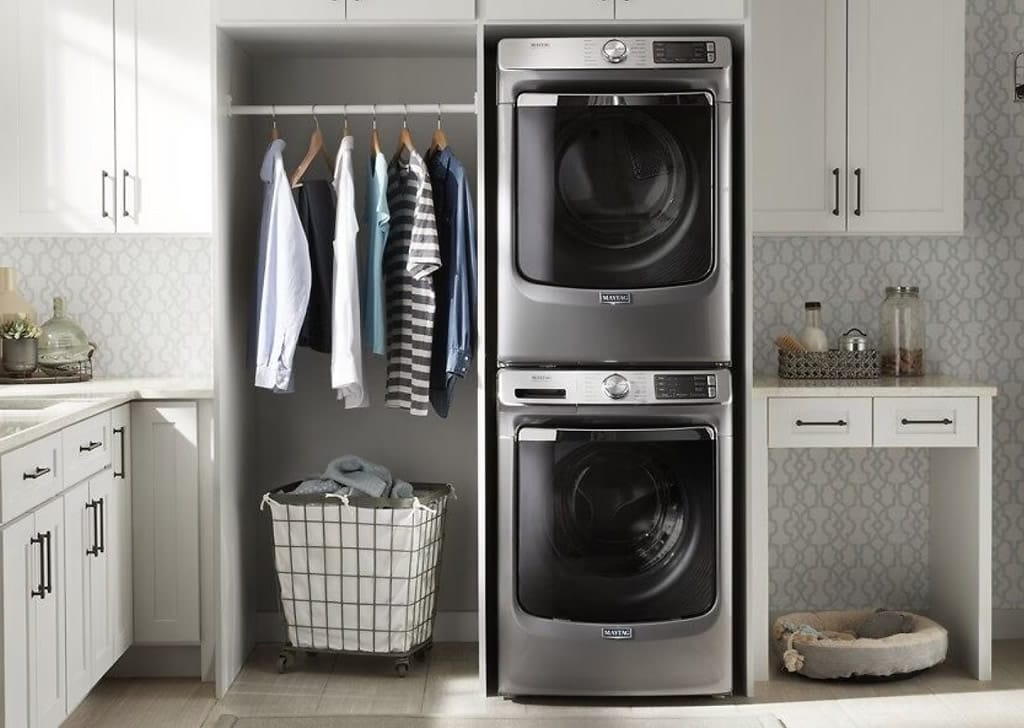
If you’re looking to save space in your laundry area without sacrificing functionality, stacking a washer and dryer is one of the smartest upgrades you can make. Whether you live in a compact apartment, a modern condo, or simply want a cleaner, more organized laundry setup, a stacked configuration can transform the way your space works. But here’s the reality: stacking a washer and dryer isn’t just about placing one appliance on top of the other. Done incorrectly, it can lead to vibration issues, safety risks, poor performance, or even long-term damage to your appliances.
The good news? With the right approach, tools, and preparation, you can create a safe, efficient, and professional-looking stacked laundry setup that lasts for years. Let’s break it all down step by step—with expert insights, practical tips, and SEO-driven guidance so you fully understand how to do it the right way.
Why Stack a Washer and Dryer?
Before getting into the “how,” it’s worth understanding the “why.” Stacking your washer and dryer isn’t just about saving space—it’s about optimizing your entire laundry workflow. In smaller homes or urban environments, floor space is limited. A stacked configuration instantly frees up room for storage, folding areas, or even additional appliances. It also creates a cleaner, more vertical layout that many homeowners prefer for both functionality and aesthetics.
But beyond space, stacking can also improve ergonomics. With the dryer positioned at eye level, loading and unloading becomes easier and more comfortable compared to bending down repeatedly.
Can All Washers and Dryers Be Stacked?
This is one of the most important questions—and the answer is no.
Not every washer and dryer is designed to be stacked. In most cases, front-load washers are required for stacking because they provide a stable, flat surface for the dryer to sit on. Top-load washers, on the other hand, cannot be stacked because their lids open upward, making it impossible to place another appliance on top. In addition, you’ll need a compatible stacking kit designed specifically for your washer and dryer models. This kit secures the two units together and prevents movement during operation.
Trying to stack appliances without the proper kit is a major safety risk and should never be done.
What Is a Stacking Kit and Why It Matters
A stacking kit is not optional—it’s essential.
This kit typically includes brackets, screws, and sometimes a sliding shelf. Its purpose is to lock the dryer securely onto the washer, preventing it from shifting, vibrating, or falling.
Without a stacking kit:
- The dryer can move during spin cycles
- Vibration can damage internal components
- There’s a real risk of the dryer tipping over
Each manufacturer designs stacking kits specifically for certain models, so compatibility is critical. Always check that your kit matches both your washer and dryer before installation.
Preparing Your Space Before Installation
Before you even begin stacking, preparation is key. Start by measuring your space carefully. You’ll need to account for:
- Total height of the stacked units
- Clearance for ventilation
- Space for connections (water, electrical, and venting)
Make sure your ceiling height is sufficient. Stacked units are significantly taller, and you’ll need enough room not just for the appliances, but also for installation and maintenance access. Next, check the floor. It should be level, solid, and capable of supporting the combined weight of both appliances—especially during high-speed spin cycles. An uneven floor can cause excessive vibration, noise, and long-term wear.
Step-by-Step: How to Stack a Washer and Dryer
Now let’s get into the actual process.
Step 1: Position the Washer
The washer always goes on the bottom—no exceptions.
Place it exactly where you want the final setup to be. Once stacked, moving the units becomes much more difficult. Use a level to ensure the washer is perfectly balanced. Adjust the leveling feet as needed until the appliance sits firmly on the floor without wobbling. This step is critical. If the washer isn’t level, the entire stacked system will be unstable.
Step 2: Attach the Stacking Kit
Follow the manufacturer’s instructions carefully to install the stacking kit onto the washer. This usually involves securing brackets to the top of the washer. These brackets will hold the dryer in place once it’s positioned. Take your time here. A properly installed stacking kit is what keeps everything secure during operation.
Step 3: Lift and Place the Dryer
This is the most physically demanding step.
With the help of another person, carefully lift the dryer and place it on top of the washer. Align it with the stacking kit brackets and secure it according to the instructions. Never attempt to lift a dryer alone. These appliances are heavy and awkward to handle, and improper lifting can lead to injury or damage.
Step 4: Secure the Dryer
Once the dryer is in place, fasten it to the stacking kit using the provided hardware. This ensures the dryer won’t shift during use. Double-check that everything is tight and properly aligned.
Step 5: Connect Utilities
Now it’s time to connect everything:
- Plug in the electrical connections
- Attach water lines (for the washer)
- Connect the dryer vent (for proper airflow)
Make sure all connections are secure and compliant with local codes. Improper venting, especially for dryers, can lead to reduced efficiency and even fire hazards.
Step 6: Test the Setup
Before considering the job complete, run a test cycle. Listen for unusual noises, check for vibration, and ensure both appliances are operating smoothly. If anything feels off—excessive shaking, rattling, or imbalance—stop and adjust immediately.
Common Mistakes to Avoid When Stacking Appliances
Even though the process seems straightforward, there are several mistakes that can cause serious issues. One of the most common is skipping the stacking kit. This might seem like a shortcut, but it’s one of the biggest safety risks.Another mistake is placing the dryer on an unlevel washer. This leads to instability and excessive vibration. Improper venting is another major issue. A poorly installed dryer vent can reduce efficiency, increase drying time, and create fire hazards.
Finally, many homeowners underestimate the importance of compatibility. Not all appliances are designed to work together, even if they appear to fit physically.
Safety Considerations You Should Never Ignore
Safety should always be your top priority. Dryers generate heat, and when combined with lint buildup or poor ventilation, they can become a fire risk. Always ensure your vent system is clean, properly installed, and unobstructed.Electrical connections should also be handled carefully. If you’re unsure about wiring requirements, it’s best to consult a professional.
And remember: stacked appliances are top-heavy. Proper installation is essential to prevent tipping or movement.
Benefits of a Properly Stacked Washer and Dryer
When done correctly, stacking offers several advantages. You gain valuable floor space, making your laundry area more functional and organized. It also creates a modern, streamlined look that many homeowners prefer.From a practical standpoint, it can make laundry more efficient. With both machines aligned vertically, transitioning from washing to drying becomes faster and more convenient.
Is Professional Installation Worth It?
If you’re not comfortable handling heavy appliances or working with electrical and venting systems, hiring a professional is a smart investment.
Professional technicians ensure:
- Proper installation
- Safe connections
- Correct leveling and alignment
They can also identify potential issues before they become costly problems.
Extra Tips to Maximize Your Stacked Laundry Setup
If you want to go beyond basic installation, there are a few upgrades that can improve your setup even further. Consider adding shelving above or beside the units for storage. Use anti-vibration pads if your floor tends to amplify noise. Keep your vent system clean to maintain efficiency and safety.
You can also optimize your laundry routine by organizing detergents, baskets, and supplies within easy reach.
Final Thoughts
Stacking a washer and dryer is one of the most effective ways to save space and modernize your laundry area—but it must be done correctly. From choosing compatible appliances and installing a proper stacking kit to ensuring level placement and safe connections, every step matters.When done right, a stacked washer and dryer setup is safe, efficient, and built to last. It not only improves your space but also enhances your daily routine.If you’re planning to upgrade your laundry area, take the time to do it properly—or bring in a professional who can ensure everything is installed to perfection.
Because when it comes to appliances, the difference between “it works” and “it works flawlessly” is all in the details.