
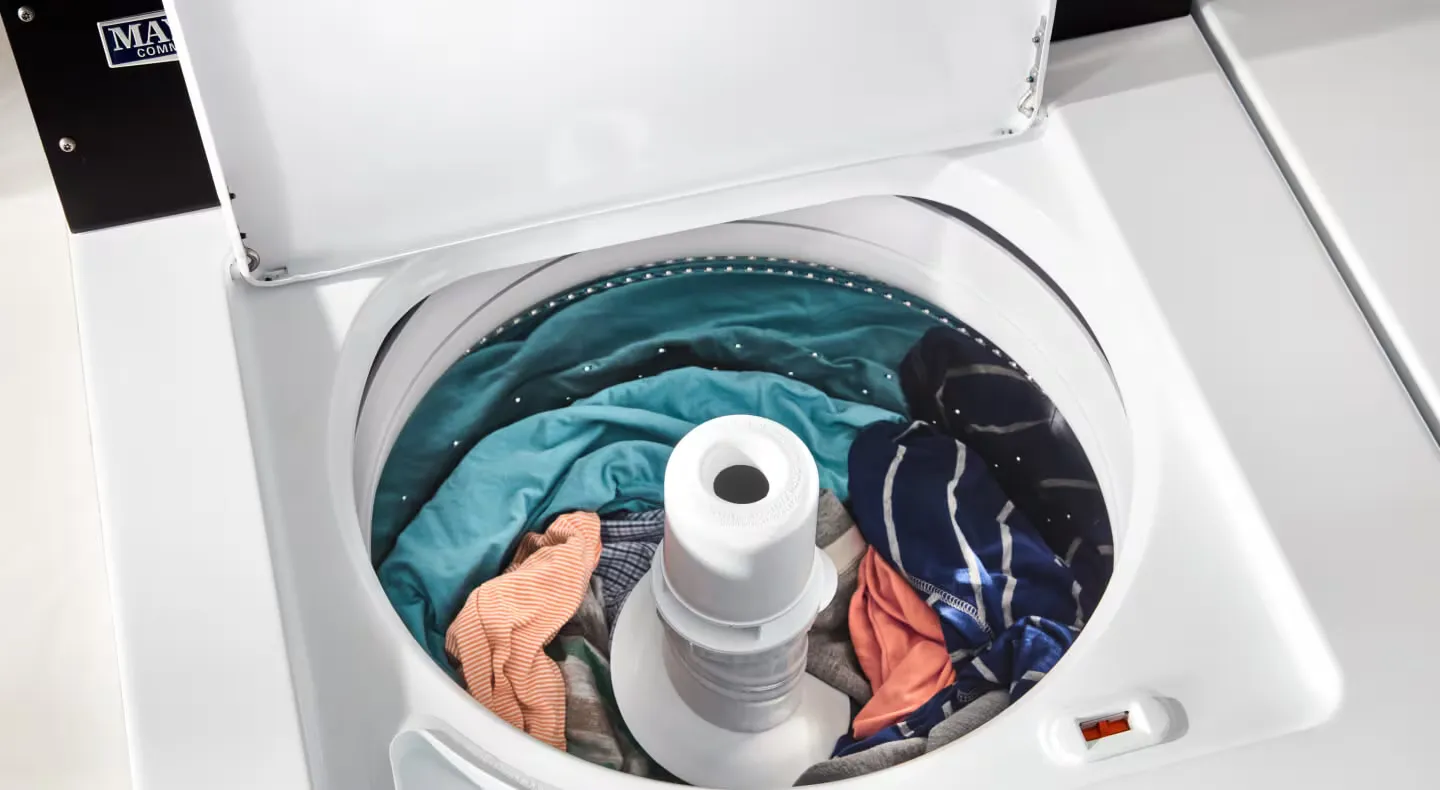
Using a top load washer might seem straightforward—add clothes, pour detergent, press start—but if you’ve ever had clothes come out less clean than expected, it usually comes down to how the machine is being used. Small details like how you load clothes, when you add detergent, or which cycle you choose can make a big difference in performance.
The reality is that modern top load washers are designed to be efficient, but they work best when you follow the correct process. Once you understand how to use your washer properly, you’ll get cleaner clothes, fewer odors, and better long-term performance from your machine.
Understanding How a Top Load Washer Works
Before getting into the steps, it helps to understand the basics. A top load washer uses either an agitator or an impeller to move clothes through water and detergent, removing dirt and stains through friction and circulation. Unlike older machines that filled completely with water, many newer models use sensors to adjust water levels automatically, which means proper loading and detergent use are more important than ever.
Step-by-Step: How to Use a Top Load Washer Correctly
Step 1: Make Sure Your Washer Is Ready to Use
Check Installation and Stability
Before starting any load, make sure your washer is properly set up. It should sit level on the floor, with all four feet stable and not rocking. Water hoses should be securely connected to both hot and cold valves. If the machine isn’t stable, it can vibrate, move, or make noise during cycles.
Step 2: Sort Your Laundry Properly
Separate by Color, Fabric, and Weight
Sorting laundry is one of the most important steps for protecting your clothes. Separate whites from colors, and then divide colors into lighter and darker shades. You should also group items by fabric type and weight to prevent damage.
Prepare Clothes Before Washing
Take a moment to zip zippers, tie drawstrings, and check pockets. These small steps prevent damage to both your clothes and your washer.
Step 3: Add Detergent the Right Way
Know Where and When to Add It
Detergent should be added either to the dispenser or directly into the tub before loading clothes, depending on your washer model. If you’re using pods or powder, they should go into the drum first—not on top of clothes. Liquid chlorine bleach and fabric softener should always go into their designated compartments.
Use the Correct Amount
More detergent does not mean cleaner clothes. In fact, using too much can leave residue and reduce cleaning effectiveness.
Step 4: Load the Washer Correctly
Don’t Just Throw Everything In
Loading your washer properly is critical. Clothes should be placed evenly around the agitator or impeller in loose heaps so they have room to move. Bulky items like jackets or blankets should go in first, followed by smaller items to help balance the load.
Avoid Overloading
Overloading is one of the most common mistakes. When the drum is too full, water and detergent can’t circulate properly, leading to poor cleaning results and potential machine strain.
Step 5: Add Fabric Softener or Extras (Optional)
Use Dispensers When Available
If you’re using fabric softener or stain removers, add them at the appropriate time using the correct compartments. This ensures they’re released at the right stage of the wash cycle. Using too much can cause buildup, so always follow the recommended amounts.
Step 6: Choose the Right Wash Cycle
Match the Cycle to Your Clothes
Selecting the correct cycle is essential for both cleaning and fabric care. Common cycles include:
- Normal for everyday laundry
- Heavy for tough stains
- Delicates for fragile fabrics
- Quick wash for small loads
- Bulky for large items like bedding
Each cycle adjusts water level, agitation, and spin speed to match the type of load.
Adjust Additional Settings
Many washers allow you to customize options like water level, temperature, and extra rinse cycles. These settings can improve cleaning depending on your needs.
What Happens During the Wash Cycle
Understanding Washer Sounds
If you’re new to modern washers, some sounds may seem unusual. Clicking at the start usually means the lid is locking, humming sounds come from the agitator or motor, and pauses can happen while the machine determines water levels.
These are normal and part of the machine’s operation.
Common Mistakes to Avoid
Overloading the Washer
One of the biggest issues is putting too many clothes in one load. This reduces cleaning effectiveness and can cause imbalance during spinning.
Adding Detergent at the Wrong Time
Placing detergent on top of clothes instead of in the drum or dispenser can lead to uneven distribution.
Using the Wrong Cycle
Using a heavy cycle for delicate clothes or a gentle cycle for heavily soiled items will give poor results either way.
Ignoring Balance
Unbalanced loads can cause shaking, noise, and even long-term damage to the washer.
Tips to Get Better Results Every Time
Use the Right Water Temperature
Cold water is best for most loads and helps preserve colors, while warm or hot water should be used for heavily soiled items when appropriate.
Wash Similar Items Together
Mixing heavy and light fabrics reduces cleaning performance and increases wear on clothes.
Don’t Leave Clothes Sitting Too Long
Once the cycle finishes, remove clothes promptly to prevent odors and wrinkles.
Final Thoughts
Using a top load washer correctly isn’t complicated, but it does require attention to detail. The biggest difference comes from how you load the machine, how you use detergent, and how you choose your settings. Once you build the right habits, everything becomes easier. Your clothes come out cleaner, your washer runs more efficiently, and you avoid the common problems that lead to frustration.In the end, it’s not about doing more laundry—it’s about doing it smarter.