
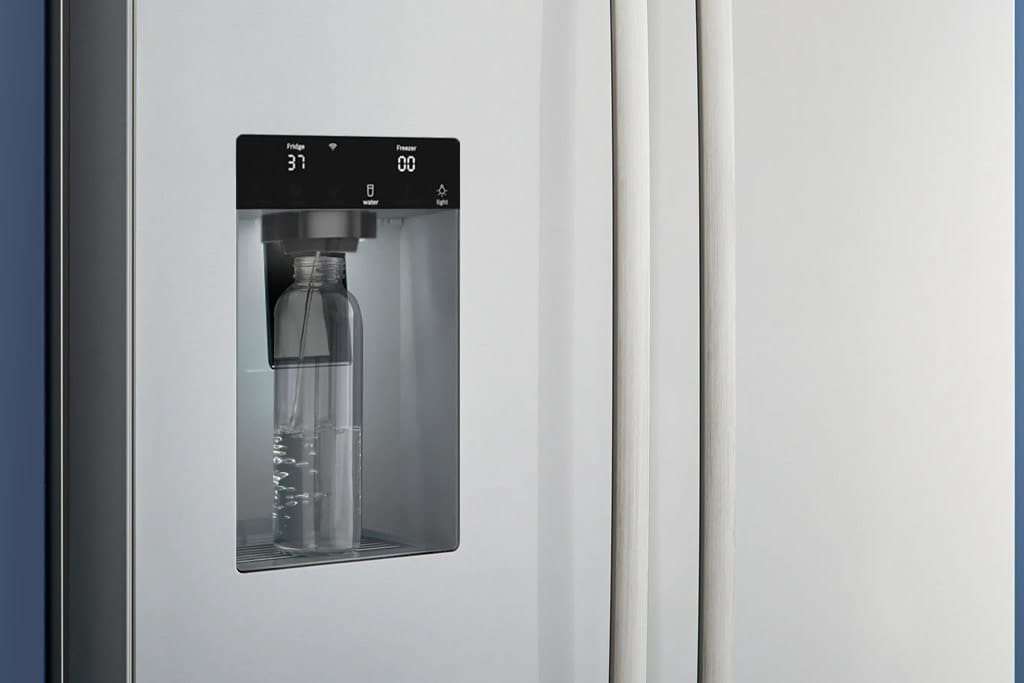
Few things are as frustrating as pressing your refrigerator dispenser and getting… nothing. No water, no ice—just silence. It’s a common issue with Bosch refrigerators, and while it feels like a major failure, most of the time the cause is surprisingly simple. The key is understanding that the water and ice system depends on several components working together: water supply, pressure, temperature, and internal switches. When just one of these fails, the entire dispenser stops working.
Let’s break it down in a clear, practical way so you can identify the problem without guessing.
Why Your Bosch Fridge Stops Dispensing Water or Ice
When both water and ice stop dispensing, it usually points to a shared issue rather than two separate failures. In many cases, the refrigerator is still functioning properly—it’s just not receiving water or not activating the dispensing system. Sometimes the problem is external, like low water pressure or a kinked line. Other times, it’s internal, involving switches, valves, or sensors that control the flow. That’s why the issue can appear suddenly, even if the fridge was working perfectly the day before.
The Most Common Causes Behind the Problem
Most Bosch dispenser issues fall into a few predictable categories. Once you understand these, troubleshooting becomes much easier.
The Water Supply Isn’t Reaching the Fridge
The dispenser can’t work without a steady water supply. If the refrigerator isn’t properly connected to the water line, or if the pressure is too low, both water and ice functions will stop. Sometimes the issue is as simple as a kinked hose behind the fridge or a partially closed valve. In other cases, mineral buildup inside the inlet valve can restrict flow over time.
The Ice Maker or Dispenser Is Turned Off
It might sound obvious, but this is one of the most common causes. Bosch refrigerators often include control locks or settings that disable the dispenser without making it immediately obvious. If the control panel is locked or the ice maker is switched off, pressing the dispenser won’t activate anything.
Clogged or Improperly Installed Water Filter
A blocked or incorrectly installed water filter can stop water from flowing through the system entirely. Filters naturally accumulate debris over time, and once they become restricted, the dispenser may slow down or stop completely. In some models, the fridge may even disable dispensing if the filter isn’t recognized or properly seated.
Frozen or Blocked Water Line
Inside the refrigerator, water lines can freeze—especially if temperatures are set too low or airflow is uneven. When this happens, water can’t reach the dispenser or ice maker.This issue often appears suddenly and may resolve temporarily after defrosting, only to return if the underlying cause isn’t addressed.
Faulty Water Inlet Valve
The inlet valve controls when water enters the refrigerator. If it fails or doesn’t receive enough pressure, the system won’t deliver water to either the dispenser or the ice maker.This component is essential, and when it malfunctions, both features typically stop at the same time.
Dispenser Switch or Actuator Failure
When you press the dispenser lever or button, a small actuator triggers the system. If that part is broken or worn out, the fridge won’t respond—even if everything else is working.In this case, you might notice that pressing the dispenser feels different or doesn’t produce any sound.
How to Troubleshoot the Issue Step by Step
Instead of jumping to conclusions, the best approach is to check each possible cause in a logical order. Start with the basics. Make sure the refrigerator is connected to the water supply and that the valve is fully open. Check the control panel to confirm the dispenser isn’t locked and the ice maker is turned on.Then move on to the water filter. If it hasn’t been replaced recently, remove and reinstall it or try a new one. A simple filter issue is often the reason behind sudden failure.Next, inspect the water line behind the fridge. Look for kinks or bends that could restrict flow. If everything looks normal, consider whether the line inside the fridge might be frozen, especially if temperatures have been set too low.
Listening closely can also help. If you hear a humming sound when pressing the dispenser but no water comes out, the issue is likely related to the valve or a blockage. If there’s no sound at all, it may point to a switch or electrical issue.
When the Freezer Temperature Becomes the Problem
The ice maker depends heavily on temperature. If the freezer is too warm, it won’t produce ice. If it’s too cold or airflow is uneven, internal lines may freeze.For proper operation, the freezer should typically stay between 0°F and 5°F.Even small deviations can affect how the ice maker cycles or how water flows through the system.
Signs the Problem Is More Serious
While many issues are simple to fix, some signs indicate deeper problems.If the dispenser doesn’t respond at all, even after checking power and settings, the issue may involve internal electrical components. If water flow is inconsistent or stops and starts, it could point to valve failure or pressure issues.Another red flag is when both water and ice stop working at the same time without any obvious external cause. This often suggests a shared component failure, such as the inlet valve or control system.
When to Call a Professional
If you’ve checked the water supply, replaced the filter, confirmed settings, and inspected for blockages—but the dispenser still isn’t working—it’s likely time for professional repair.Components like inlet valves, control boards, and internal switches require proper testing and replacement. Continuing to use the refrigerator in this condition can lead to more frustration and potential long-term damage.
It’s Usually Simpler Than It Looks
A Bosch refrigerator not dispensing water or ice may seem like a major problem, but in many cases, it comes down to a few key factors: water flow, pressure, temperature, and control settings.By approaching the issue step by step—starting with the simplest causes—you can often identify the problem quickly and avoid unnecessary repairs. In the end, it’s not about replacing the appliance. It’s about restoring the balance that allows it to work the way it was designed to.