
Hair dye accidents happen fast. One second you’re coloring your hair, and the next, a drop lands on your favorite shirt. And if you’ve ever dealt with it, you already know—hair dye is not like a normal stain. It’s designed to penetrate and bond deeply with hair fibers, which means it does the exact same thing to fabric. That’s why it’s one of the toughest stains to remove, especially if you don’t act quickly.
The good news is this: hair dye stains are not always permanent. With the right approach—and timing—you can remove them or at least significantly reduce their appearance.
Let’s walk through exactly how to do it the right way.
Why Hair Dye Is So Hard to Remove
Hair dye is made with strong pigments and chemicals designed to last. Once it hits fabric, it starts bonding almost immediately, especially with porous materials like cotton. The longer it sits, the deeper it penetrates the fibers. That’s why a fresh stain is much easier to remove than one that has already dried.
This leads to one simple rule:
The faster you act, the better your chances of saving the garment.
Step 1: Remove Excess Dye Immediately
As soon as you notice the stain, your first move is to remove any excess dye. Use a dull knife, spoon, or even a paper towel to gently lift or blot the dye. Avoid rubbing at all costs. Rubbing spreads the stain and pushes it deeper into the fabric. This step alone can make a huge difference in how much dye actually sets into the material.
Step 2: Rinse with Cold Water (Not Hot)
Next, rinse the stained area under cold running water. Make sure to rinse from the back side of the fabric. This helps push the dye out instead of forcing it deeper into the fibers.Hot water might seem like a good idea—but it actually sets the stain, making it much harder to remove later.
Cold water is always the safest starting point.
Step 3: Apply Liquid Detergent Directly to the Stain
Once rinsed, apply a small amount of liquid laundry detergent directly onto the stain. Gently work it into the fabric using your fingers or a soft brush, like a toothbrush. This helps break down the dye and lift it from the fibers.Let it sit for a few minutes before rinsing again.
This step is essential—it’s where the real stain removal begins.
Step 4: Wash the Garment Properly
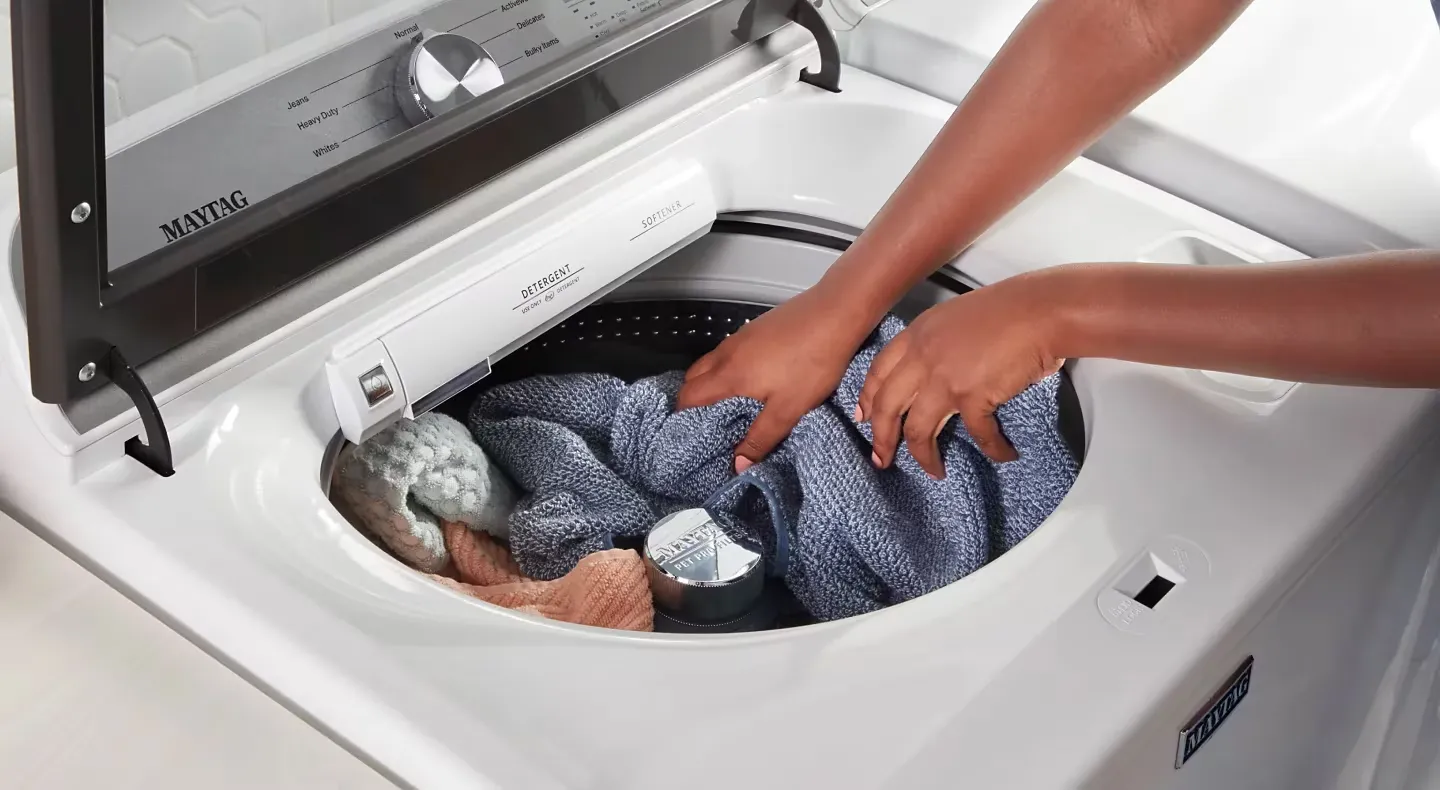
After pre-treating, wash the clothing according to the care label instructions. Use a regular cycle and a good-quality detergent. If the fabric allows it, slightly warmer water can help remove stubborn residue—but only if it’s safe for the material.Avoid overloading the washer. The garment needs enough space for proper cleaning.
Step 5: Air Dry and Check Before Using Heat
This step is critical and often overlooked. After washing, do not put the clothing in the dryer right away. Instead, let it air dry and inspect the stain carefully.If any trace of dye remains, repeat the process.Heat from the dryer can permanently set the stain, making it almost impossible to remove afterward.
What to Do If the Stain Is Still There
Hair dye stains don’t always come out in one attempt—and that’s normal. If the stain remains, you can try stronger methods depending on the fabric:
Oxygen-Based Bleach (Safer Option)
For colored clothes, soaking in oxygen-based bleach can help lift the stain without damaging the fabric.
Dish Soap + Vinegar Method
A combination of dish soap and white vinegar can help break down dye particles and loosen stubborn stains.
Rubbing Alcohol (For Tough Spots)
Dabbing rubbing alcohol onto the stain can dissolve certain dye pigments, especially for darker colors like blue or black.
Important: Always test any solution on a hidden area first to avoid damaging the fabric.
Different Hair Dye Colors Require Different Approaches
Not all hair dye stains behave the same. Red dye, for example, often requires a multi-step treatment because of its strong pigments.Dark dyes like black or brown usually respond well to detergent plus oxygen bleach soaking.Blue dyes may require additional treatment with alcohol-based solutions.Understanding this can help you choose the right method instead of repeating the same ineffective steps.
Can You Remove Dried Hair Dye Stains?
Yes—but it’s harder.
Once the stain has dried, it has already bonded more deeply with the fabric. That means you’ll likely need multiple treatments, longer soaking times, or stronger cleaning solutions.
Even then, results can vary depending on:
- Fabric type
- Dye composition
- How long the stain has been there
In some cases, the stain may fade significantly but not disappear completely.
Common Mistakes That Make Hair Dye Stains Worse
Many people accidentally make the stain harder to remove. Using hot water too early is one of the biggest mistakes. It locks the dye into the fabric. Skipping pre-treatment is another issue—washing alone is rarely enough.Rubbing the stain instead of blotting spreads it and pushes it deeper. And using the dryer before confirming the stain is gone can permanently set it.Avoiding these mistakes can make a major difference in the final result.
Simple Habits to Prevent Hair Dye Stains
Prevention is always easier than removal. When dyeing your hair, wear old clothes or use a protective towel. Keep paper towels nearby in case of spills, and clean any drops immediately before they set. Even taking a few extra seconds to protect your clothing can save you from dealing with stubborn stains later.
Final Thoughts
Hair dye stains might seem impossible at first, but they’re usually manageable if you act quickly and follow the right steps. The process is simple: remove excess dye, rinse with cold water, treat the stain, wash properly, and avoid heat until you’re sure the stain is gone.It’s not about using one magic product—it’s about using the right method at the right time.
And once you understand how these stains work, you’ll know exactly how to deal with them the next time an accident happens.