
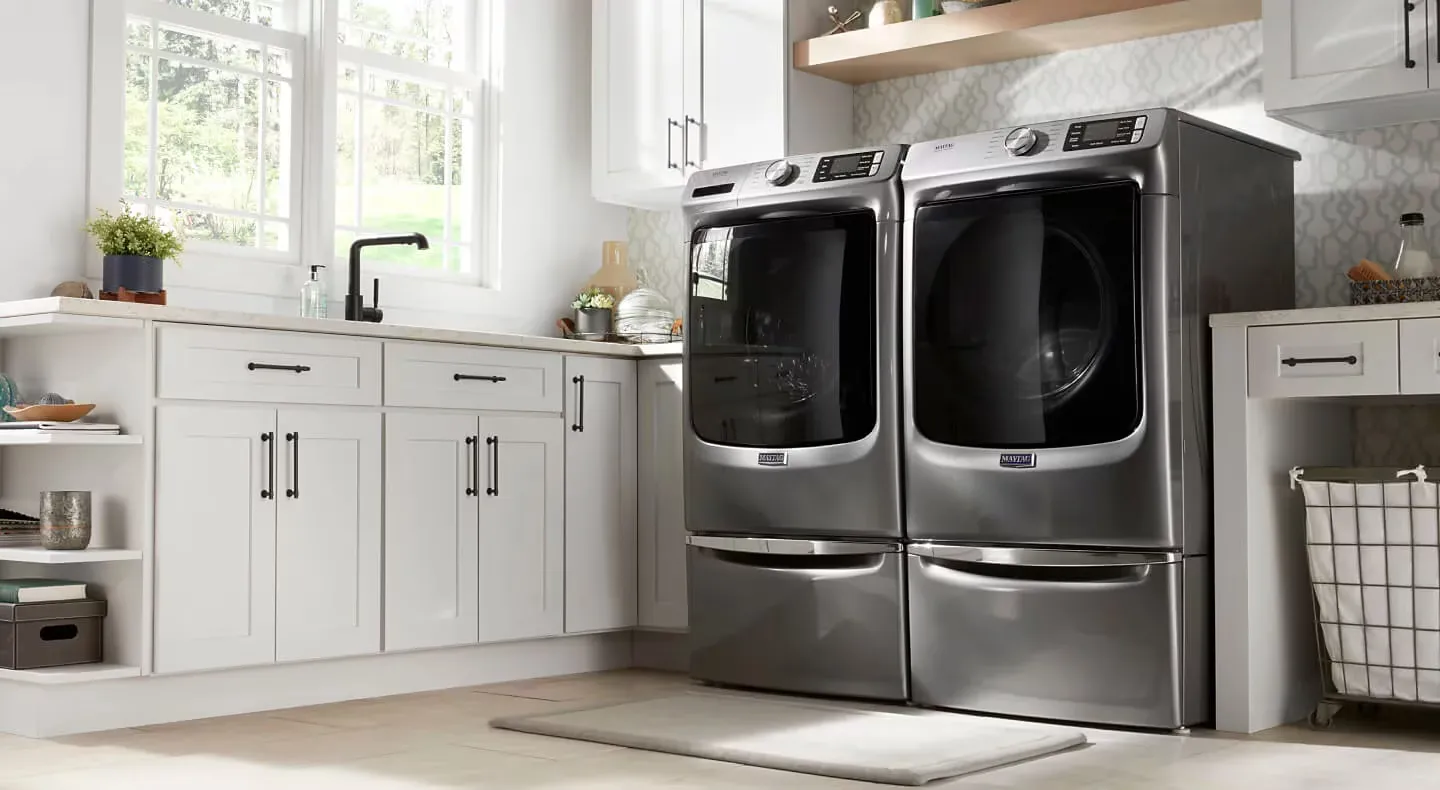
Installing a front load washing machine might seem intimidating at first, especially if you’ve never done it before. Between water lines, drain hoses, leveling, and electrical connections, it’s easy to assume this is a job strictly for professionals. But the reality is different. If your laundry space already has the proper hookups, installing a front load washer is something many homeowners can handle on their own with the right preparation, tools, and a clear understanding of the process.
The key is not rushing. Most installation mistakes don’t happen because the process is complicated, but because people skip steps or overlook small details that end up causing leaks, vibration, or performance issues later. When done correctly, installation not only ensures your washer works properly from day one, but it also helps extend its lifespan and prevents costly repairs.
Let’s walk through the entire process in a way that actually makes sense, without unnecessary complexity.
Before You Start: What Most People Get Wrong
Before even touching the machine, there are a few things you need to understand. First, front load washers are heavy. Really heavy. Moving one without help is not just difficult—it’s risky. Having a second person isn’t optional, it’s essential. Second, every washer model has slightly different requirements. While this guide gives you a complete overview, your manufacturer’s manual should always be your final reference point. Think of this as your roadmap, not a replacement for specific instructions.
Third, installation success depends heavily on your setup. If your laundry area already includes hot and cold water valves, a proper drain system, and a grounded electrical outlet, you’re in good shape. If not, this is where a professional becomes necessary.
Tools and Supplies You’ll Need
One of the biggest advantages of installing a front load washer is that you don’t need specialized equipment. Most of the tools required are standard household items. Typically, you’ll need water inlet hoses with washers, an adjustable wrench, pliers, a level, a utility knife, and something like a bucket or towel to manage any water spills.
Having everything ready before you begin saves time and prevents frustration halfway through the process.
Step 1: Unpack the Washer the Right Way
The installation process starts with unpacking, but this step is more important than it seems. Front load washers are shipped with protective packaging designed to prevent internal damage during transport. This includes plastic wrap, foam supports, and sometimes a base underneath the machine. Carefully cut away the outer packaging using a utility knife, making sure not to scratch the appliance. Then, with help, tilt the washer slightly to remove the base and any materials underneath.
Don’t forget to open the door and check inside the drum. Manufacturers often store hoses, manuals, or small components inside. Missing this step can slow you down later.
Step 2: Remove the Shipping (Transit) Bolts
This is one of the most critical steps—and one of the most commonly overlooked. On the back of the washer, you’ll find several shipping bolts (usually four). These bolts lock the drum in place during transportation to prevent damage. If you forget to remove them, the washer will shake violently during operation and can suffer serious internal damage.
Using a wrench, remove each bolt along with its spacer. Once removed, they can be discarded or stored in case you need to move the washer in the future.
Skipping this step is one of the fastest ways to ruin a brand-new machine.
Step 3: Connect the Drain Hose Properly
Next comes the drain hose, which is responsible for carrying wastewater out of the machine. Attach the drain hose securely to the washer using the clamp provided. Tighten it properly so it doesn’t loosen over time. Then position the hose into your drain system, whether that’s a standpipe or a laundry tub.
Here’s where many installations go wrong: the drain hose must be positioned correctly to allow proper airflow. If it’s inserted too deep or sealed too tightly, it can cause drainage issues or even siphoning problems.
A properly installed drain hose ensures smooth operation and prevents leaks.
Step 4: Connect the Water Supply Lines
Now it’s time to connect the hot and cold water hoses. Start by inserting flat washers into each hose connection if they’re not already installed. Then connect the hoses to the corresponding water valves—hot to hot, cold to cold—and tighten them securely using a wrench. Before attaching the hoses to the washer, run a small amount of water through them into a bucket. This helps clear out debris or sediment that could clog your machine.
Once that’s done, connect the hoses to the back of the washer and tighten them carefully. Avoid overtightening, as this can damage the fittings.
This step is simple, but it plays a major role in preventing leaks and ensuring consistent water flow.
Step 5: Level the Washer (Most Important Step for Performance)
If there’s one step that directly affects how your washer performs long-term, it’s leveling. An unlevel washer will vibrate excessively, make noise, and experience uneven wear. Over time, this can damage internal components and lead to costly repairs. Place a level on top of the washer and check both side-to-side and front-to-back alignment. If the machine isn’t level, adjust the feet at the bottom by turning them until the washer sits evenly on the floor.
Take your time here. Even a small imbalance can create noticeable problems during high-speed spin cycles.
Step 6: Plug In and Position the Washer
Once everything is connected and leveled, you can plug the washer into a grounded electrical outlet. Avoid using extension cords, as they can create safety issues and affect performance. Carefully slide the washer into its final position, making sure not to kink or compress the hoses behind it.
At this point, your installation is almost complete—but don’t skip the final check.
Step 7: Run a Test Cycle Before Using It
Before washing your first load of clothes, run an empty cycle.
This allows you to:
- Check for leaks
- Confirm proper drainage
- Ensure the machine runs smoothly
Running a test cycle also helps clean the drum and prepare the washer for regular use.
If everything works as expected, your washer is ready.
Common Mistakes That Lead to Problems Later
Even when the installation seems successful, small mistakes can cause issues over time. One of the most common is improper leveling, which leads to vibration and noise. Another is loose hose connections, which may not leak immediately but can develop problems later. Incorrect drain hose placement is another frequent issue, often resulting in slow drainage or backflow. Another mistake is skipping the test cycle. It may seem unnecessary, but it’s your opportunity to catch problems early—before they turn into repairs.
How Long Does Installation Take?
A professional technician can typically install a washer in about an hour. For most homeowners, it may take longer, especially if it’s your first time. That’s completely normal. Taking extra time is better than rushing and making mistakes.
When You Should Consider Hiring a Professional
While many installations can be done yourself, there are situations where hiring a professional is the smarter choice. If your laundry space doesn’t have existing hookups, if you need to modify plumbing or electrical connections, or if you’re unsure about any step, it’s better to bring in an expert. Also, if you’re installing stacked units or working in a tight space, professional help can make the process much safer and easier.
Installing a front load washing machine isn’t as complicated as it might seem. With the right preparation and attention to detail, it’s a task that most homeowners can handle successfully. The most important things to remember are simple: remove the shipping bolts, secure all connections, level the machine properly, and test everything before use. These steps may seem small, but they make a huge difference in how your washer performs over time.
Done right, your washer will run smoothly, quietly, and efficiently from day one—and you’ll avoid the common installation mistakes that lead to frustration later.