
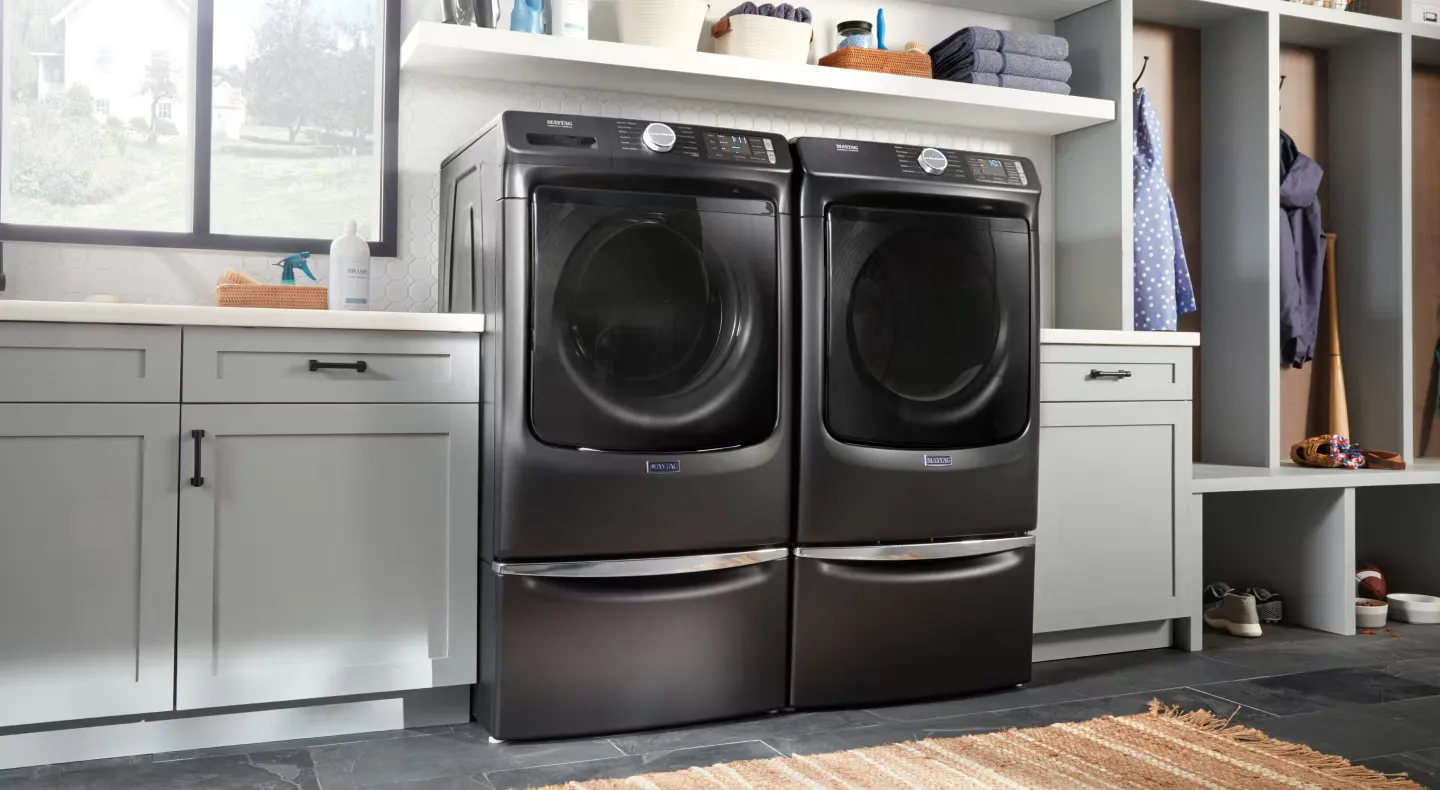
Laundry is one of those everyday tasks that seems simple on the surface, but small mistakes can quietly ruin your results over time. If you’ve ever noticed faded colors, lingering odors, or clothes that just don’t feel as clean as they should, it usually comes down to a few habits that need adjusting. The good news is that you don’t need complicated routines or expensive products to fix this. Once you understand how laundry actually works, everything becomes easier, faster, and more effective.
Understanding the Basics of Better Laundry
Before getting into specific tips, it’s important to understand one key idea: laundry is a system. Every step matters. From how you sort clothes to how you dry them, each decision affects the final result. When one part is off, the whole process suffers. But when everything is done correctly, your clothes come out cleaner, last longer, and require less effort overall.
Why Reading Care Labels Matters More Than You Think
Don’t Skip the Instructions
Most people ignore care labels, but they’re one of the most important tools you have. Those small tags tell you exactly how to wash, dry, and handle each garment. Ignoring them can lead to shrinking, fading, or even permanent damage.
If you’re unsure, cold water and a gentle cycle are usually safe options. But for best results, always follow the specific instructions provided for each item.
Sorting Clothes the Right Way
Go Beyond Just Lights and Darks
Sorting laundry isn’t just about separating whites from colors. To really protect your clothes, you should also consider fabric type and how dirty the items are. Heavy fabrics like towels should be washed separately from lighter materials, and heavily soiled clothes should not be mixed with lightly worn ones.
Turn Clothes Inside Out
Turning garments inside out before washing helps reduce friction on the outer surface and allows detergent to reach the areas where sweat and oils build up. It’s a small step that makes a noticeable difference over time.
How to Load Your Washer Properly
Avoid Overloading at All Costs
One of the most common mistakes is overloading the washer. While it might seem like a time-saver, it actually reduces cleaning performance. Clothes need space to move so water and detergent can circulate properly. When the drum is too full, items rub against each other, detergent doesn’t distribute evenly, and you end up with clothes that aren’t fully clean.
Choosing the Right Water Temperature
Match Temperature to Fabric and Soil Level
Water temperature plays a bigger role than most people realize. Cold water is ideal for most everyday loads and helps preserve colors. Warm water works well for synthetic fabrics and moderate dirt, while hot water should be reserved for whites, towels, and heavily soiled items.
Using the same temperature for every load might be convenient, but it’s not effective.
Selecting the Correct Wash Cycle
Not All Cycles Are the Same
Modern washers offer multiple cycles for a reason. Delicate fabrics need gentle movement, while heavier items require stronger agitation. Using the wrong cycle can either damage your clothes or leave them insufficiently cleaned.
Choosing the right cycle ensures better cleaning and helps extend the life of your garments.
Using Detergent the Right Way
More Detergent Doesn’t Mean Cleaner Clothes
This is one of the biggest misconceptions in laundry. Adding more detergent doesn’t improve cleaning—in fact, it often makes things worse. Excess detergent creates residue that traps dirt and odors instead of removing them.
The best approach is to use the recommended amount based on load size and soil level. If clothes still don’t feel clean, the issue is usually related to loading or cycle selection, not detergent quantity.
Understanding Fabric Softener Use
Use It Sparingly
Fabric softener can make clothes feel softer and reduce static, but using too much can leave buildup on fabrics and inside your machine. Over time, this buildup can affect performance and even contribute to odors. Moderation is key. Use only what’s recommended to get the benefits without the downsides.
Timing Matters More Than You Think
Don’t Let Clothes Sit in the Washer
Leaving clothes sitting in the washer after a cycle finishes is a common mistake. Moist environments allow bacteria to develop quickly, which leads to musty odors and wrinkles. Moving clothes to the dryer promptly helps maintain freshness and prevents unnecessary rewashing.
Drying Clothes the Right Way
Avoid High Heat When Possible
Drying is just as important as washing. High heat might seem efficient, but it can shrink fabrics, fade colors, and weaken fibers over time. For most clothes, medium or low heat is the better option.
Check for Stains Before Drying
Before putting clothes in the dryer, always check for stains. If a stain is still visible, drying will set it permanently. It’s better to re-treat and wash again than to make the stain impossible to remove later.
Small Habits That Make a Big Difference
Pay Attention to Details
Simple habits can dramatically improve your laundry results. Emptying pockets, closing zippers, and fastening hooks prevent damage to both clothes and your washer. Separating lint-producing fabrics from lint-attracting ones keeps everything looking cleaner.
Even distributing clothes evenly in the drum can reduce vibration and improve performance.
Building a Consistent Laundry Routine
Consistency Is What Delivers Results
Laundry doesn’t improve because of one single trick. It gets better when all these small adjustments become part of your routine. Once that happens, you’ll notice fewer issues, better results, and less time spent fixing problems. A good routine isn’t about perfection—it’s about consistency.
Final Thoughts
Doing laundry well isn’t complicated, but it does require attention to detail. When you understand how each step affects the outcome, you stop guessing and start getting reliable results every time. Cleaner clothes, longer-lasting fabrics, and fewer problems all come down to a smarter approach. And once you build the right habits, laundry becomes less of a chore and more of a simple, predictable process that just works.