
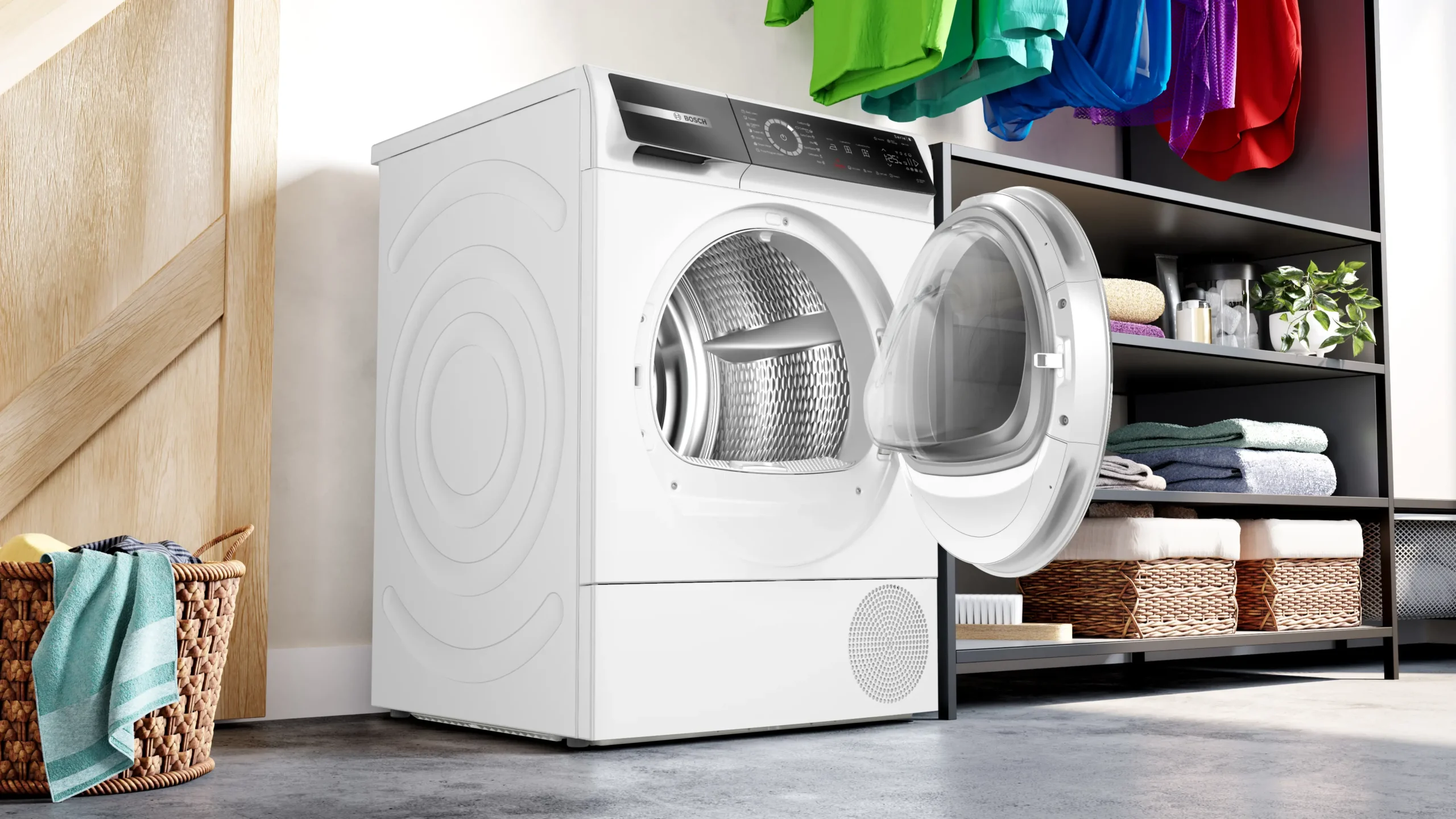
A dryer is one of those appliances you barely notice—until it starts making noise. And when it does, it’s hard to ignore. That sudden squeal, thumping sound, or grinding noise coming from your Maytag dryer isn’t just annoying… it’s your appliance trying to tell you something is wrong.
If your Maytag dryer has started making unusual noises, you’re not alone. This is one of the most common issues homeowners face, and in most cases, it’s a clear sign that one or more internal components are wearing out, loose, or failing. The key is understanding what those sounds mean and taking action before a small issue turns into an expensive repair.
In this guide, we’ll break down why your Maytag dryer is making noise, what each sound typically indicates, and how to fix the problem effectively.
Why Your Maytag Dryer Is Making Noise
Dryers are built with multiple moving parts working together—rollers, belts, motors, pulleys, and bearings. Over time, these components naturally wear down. When they do, friction increases, alignment shifts, and noise becomes the first noticeable symptom. Unlike a complete breakdown, noise is actually an early warning sign. It gives you a chance to fix the issue before it causes further damage.
The type of sound your dryer makes can reveal exactly what’s going on inside the machine.
Squeaking or Squealing Sounds
If your Maytag dryer produces a high-pitched squealing noise, especially when it starts running, the problem is usually related to friction in moving parts that are no longer properly lubricated. In many cases, this points to worn drum rollers or a failing idler pulley. These components help the drum rotate smoothly. As they age, they dry out or wear unevenly, creating that sharp squealing sound.
At first, the noise may come and go. But over time, it typically becomes louder and more constant. Ignoring it can lead to further wear, eventually affecting the drum’s ability to spin correctly.
Thumping or Banging Noises
A dryer that makes a repetitive thumping sound—especially once per rotation—often indicates something is out of balance or physically damaged. One of the most common causes is worn or flattened drum rollers. When rollers lose their shape, they create uneven movement as the drum spins. This results in a steady thump that matches the drum’s rotation speed. Another possibility is that clothes are clumped together inside the drum. While this is a simpler issue, if the noise persists even with an empty load, it’s likely mechanical.
In more advanced cases, the drum itself may be slightly misaligned, which can create a heavier banging noise during operation.
Grinding or Scraping Sounds
Grinding noises are more serious and should never be ignored. This type of sound often means that metal components are coming into direct contact with each other. A common cause is worn drum glides. These are small but essential parts that support the front of the drum. When they wear down completely, the drum can begin to scrape against the dryer housing. Another possibility is foreign objects stuck inside the drum or blower wheel area. Coins, buttons, or small debris can slip through and cause scraping sounds as the dryer runs.
If left unaddressed, grinding can lead to permanent damage to the drum or motor, significantly increasing repair costs.
Rattling or Vibrating Noises
If your dryer sounds like it’s shaking or rattling, the issue may not be internal at all. Sometimes, the cause is as simple as an uneven surface. Dryers must sit level on the floor. If one side is slightly elevated, it can create vibrations during operation. These vibrations often sound like rattling or shaking, especially during high-speed cycles. Loose screws, panels, or internal components can also cause this type of noise. In some cases, small objects trapped inside the dryer can create a rattling sound as they bounce around.
Buzzing or Humming Without Spinning
When your Maytag dryer makes a humming or buzzing sound but the drum doesn’t turn, it’s usually a sign of a motor-related issue. The motor may be struggling to start due to internal wear or electrical problems. Another possibility is a broken drive belt. When the belt snaps, the motor may still run, but the drum won’t move. This type of problem often requires professional repair, as it involves accessing internal components and testing electrical systems.
What Causes These Noises Over Time?
Even high-quality dryers like Maytag models experience wear and tear. Over time, constant use, heat exposure, and lint buildup contribute to component degradation. Dryer parts are designed to handle repeated cycles, but they are not immune to aging. Rollers flatten, belts stretch, pulleys wear out, and lubrication dries up. Dust and lint can also accumulate in areas that restrict movement or airflow.
In many homes, dryers are used multiple times per week—or even daily. That level of usage accelerates the natural aging process of internal components.
Can You Fix a Noisy Maytag Dryer Yourself?
The answer depends on the cause of the noise and your level of experience. Simple issues like leveling the dryer, removing trapped objects, or redistributing laundry loads can often be handled without professional help. These quick adjustments can eliminate minor noises and improve performance.
However, when the problem involves internal components such as drum rollers, belts, pulleys, or motors, repairs become more complex. Accessing these parts requires disassembling the dryer, using proper tools, and understanding how each component functions. Attempting these repairs without experience can lead to further damage or safety risks. That’s why many homeowners choose to call a professional technician for accurate diagnosis and repair.
When It’s Time to Call a Professional
Some noises are early warnings, while others indicate urgent problems. If your dryer is making loud grinding sounds, persistent squealing, or fails to spin, it’s best to seek professional service. A trained technician can quickly identify the source of the noise and replace worn components before they cause additional damage. They also ensure that all parts are installed correctly and safely.
Delaying repairs often leads to more expensive fixes later. What starts as a worn roller can eventually damage the motor or drum if ignored.
How to Prevent Dryer Noise in the Future
The best way to avoid noisy dryer issues is through regular maintenance and proper use. Keeping your dryer clean plays a major role in its performance. Lint buildup doesn’t just affect airflow—it can also interfere with moving parts and create additional strain on the system. Using the dryer correctly is equally important. Overloading the drum puts extra pressure on belts, rollers, and the motor. This accelerates wear and increases the likelihood of noise and failure.
Routine inspections can also help catch small issues early. Listening for changes in sound, checking for vibrations, and monitoring drying performance can give you early clues before a major problem develops.
A Maytag dryer making noise is never something to ignore. While it might start as a minor annoyance, it’s often a sign that internal components are wearing out or failing. The type of noise—whether it’s squealing, thumping, grinding, or rattling—can help pinpoint the issue. Understanding these sounds allows you to take action early, preventing costly repairs and extending the life of your appliance. In some cases, the fix is simple. In others, professional repair is the safest and most effective solution. Either way, addressing the problem quickly ensures your dryer continues to run smoothly, quietly, and efficiently.
If your dryer has started making unusual noises, don’t wait. Taking action now can save you time, money, and unnecessary stress later.
If you’re still hearing your Maytag dryer making noise after these tips, call Best Service Company for Denver dryer repair services. Whether your dryer won’t heat up or is making a loud noise, we’ve repaired every type of malfunction. Give us a call today!