
If your recipes aren’t turning out the way they should—cookies burning on the edges, cakes undercooked in the center, or meals taking way longer than expected—your oven might not be as accurate as you think. But here’s the truth most homeowners don’t realize: it’s not always a broken oven. In many cases, it’s simply a matter of calibration, cooking habits, or misunderstandings about how ovens actually work.
In this guide, we’ll break everything down in a clear, practical way—so you can improve your oven’s performance, avoid unnecessary repairs, and get consistent cooking results every time.
What Is Oven Calibration (And Why It Matters)
Oven calibration refers to adjusting your oven so that the temperature you set matches the actual temperature inside. Over time, ovens can drift slightly out of calibration due to wear on sensors and components.
Even a small difference—10 to 25 degrees—can completely affect your cooking results.
Why calibration is important
- Ensures accurate cooking temperatures
- Prevents overcooking or undercooking
- Improves baking precision
- Reduces wasted food and energy
And here’s something critical: most ovens don’t hold a perfectly steady temperature. They cycle above and below your set temperature to maintain an average.
That’s normal—but if the average is off, your results will be too.
Before You Calibrate: Common Mistakes to Rule Out
Before assuming your oven is out of calibration, check these factors first. In many cases, poor cooking performance has nothing to do with temperature accuracy.
1. Not Preheating Long Enough
One of the biggest mistakes homeowners make is trusting the preheat signal too soon.
When your oven beeps, it usually means the air has reached temperature—not the entire oven cavity.
Pro tip:
Let your oven preheat for at least 20–30 extra minutes so the walls, racks, and interior fully absorb heat. This helps prevent temperature drops when you open the door.
2. Using the Wrong Cookware
Believe it or not, your bakeware can completely change how food cooks.
- Metal pans: Heat quickly and are ideal for baking
- Light aluminum sheets: Best for cookies (prevent over-browning)
- Dark pans: Promote browning (great for pizza)
- Glass/ceramic: Cook slower but more evenly
Using the wrong material can make it seem like your oven temperature is off—when it’s actually a cookware issue.
3. Incorrect Rack Position or Airflow
Blocking airflow or placing food in the wrong position can create hot and cold zones.
- Avoid overcrowding the oven
- Don’t block vents with foil
- Use the center rack for most baking
4. Comparing a New Oven to an Old One
Older ovens are often out of calibration without you realizing it. When you switch to a new appliance, it may feel “wrong” simply because it’s actually more accurate.
How to Properly Test Your Oven Temperature
Skip the guesswork. The best way to evaluate your oven isn’t fancy equipment—it’s consistency.
The simple test method (recommended)
- Choose a recipe you know well (cookies or biscuits work best)
- Follow the recipe exactly
- Observe the results carefully
- Adjust temperature slightly (±10°F) and repeat
- Compare results until they come out perfect
This method works because it tests real cooking performance—not just raw temperature readings.
How to Calibrate Your Oven (Step-by-Step)
Once you know your oven runs too hot or too cold, you can adjust it.
Step 1: Determine the temperature difference
If your food cooks too slowly → your oven is running cool
If it burns too quickly → your oven is running hot
Step 2: Access calibration settings
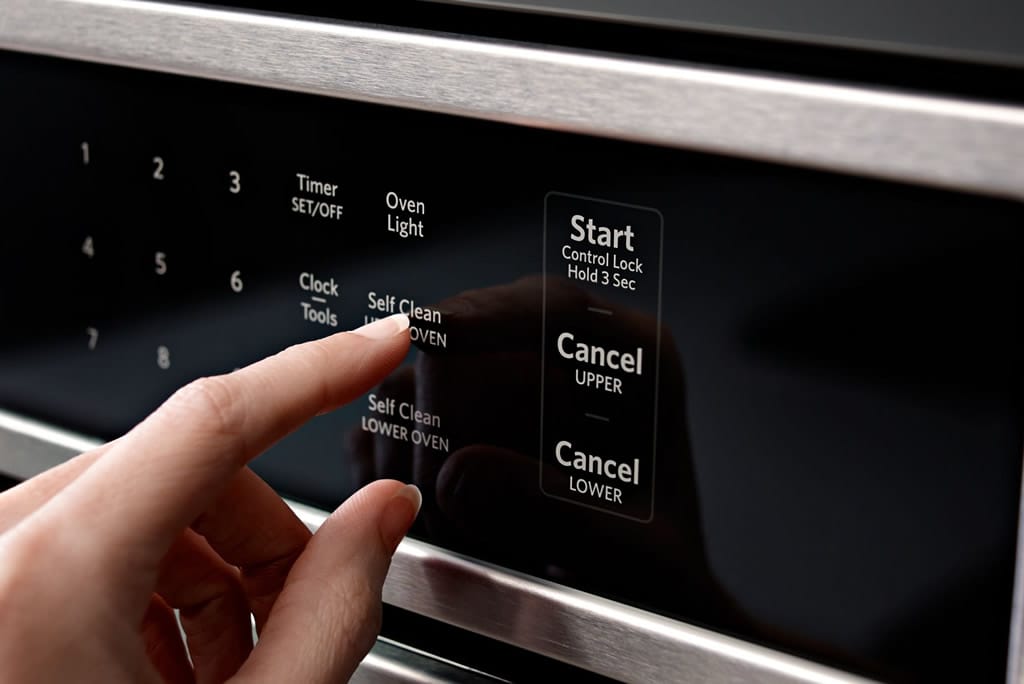
Most modern ovens allow temperature adjustments directly in the control panel.
- Look for “Temperature Adjustment” or “Calibration” in settings
- Some models require pressing and holding specific buttons
Step 3: Adjust the temperature
- Increase temperature if food is undercooked
- Decrease temperature if food is overcooked
Most ovens allow adjustments of up to ±35°F.
Step 4: Test again
Cook the same recipe using the original temperature and confirm results.
Consistency is key—repeat if needed.
Important: Why Oven Thermometers Can Be Misleading
Many people rely on oven thermometers—but here’s the catch:
- They react slowly to temperature changes
- They don’t always reflect real cooking conditions
- They can create confusion if used incorrectly
For accurate diagnostics, professionals use thermocouples, which respond much faster and measure real-time fluctuations.
Understanding Temperature Fluctuations (This Is Normal)
Even a perfectly calibrated oven doesn’t stay at a fixed temperature.
For example:
- Set to 350°F
- Oven may cycle between 335°F and 365°F
This fluctuation creates an average temperature—which is how ovens are designed to work.
So don’t panic if your readings vary slightly—that’s expected behavior.
Best Cooking Tips to Improve Results Instantly
Sometimes, calibration isn’t even necessary. These simple adjustments can dramatically improve your cooking results:
Use convection mode when possible
Convection ovens circulate hot air, leading to:
- More even cooking
- Faster bake times
- Better results with multiple trays
Avoid opening the oven door frequently
Every time you open the door:
- Heat escapes
- Temperature drops
- Cooking time increases
Use the right recipes to test performance
Avoid judging your oven based on:
- Large cuts of meat
- Frozen meals
- Complex dishes
These have too many variables. Stick to simple baked goods for accuracy.
When Calibration Isn’t Enough
If adjusting the temperature doesn’t fix the issue, you may be dealing with a hardware problem.
Possible causes
- Faulty temperature sensor
- Worn heating element
- Control board issues
In these cases, calibration alone won’t solve the problem—and a professional diagnosis is recommended.
When to Call a Professional Technician
You should consider professional service if:
- Temperature is off by more than 35°F
- Results are inconsistent even after calibration
- Oven takes too long to heat
- You suspect electrical or gas issues
A technician will typically:
- Measure temperature accurately
- Observe heating cycles
- Adjust calibration properly
This process usually takes 45–60 minutes.
Small Adjustments, Big Results
An oven that’s slightly out of calibration can completely ruin your cooking—but the fix is often simple.
Before jumping to expensive repairs, remember:
- Most issues come from preheating, cookware, or usage habits
- Calibration is a fine-tuning process—not a major repair
- Understanding how your oven behaves is the key to better results
Once dialed in, your oven will deliver consistent, predictable, and professional-quality cooking every time.