
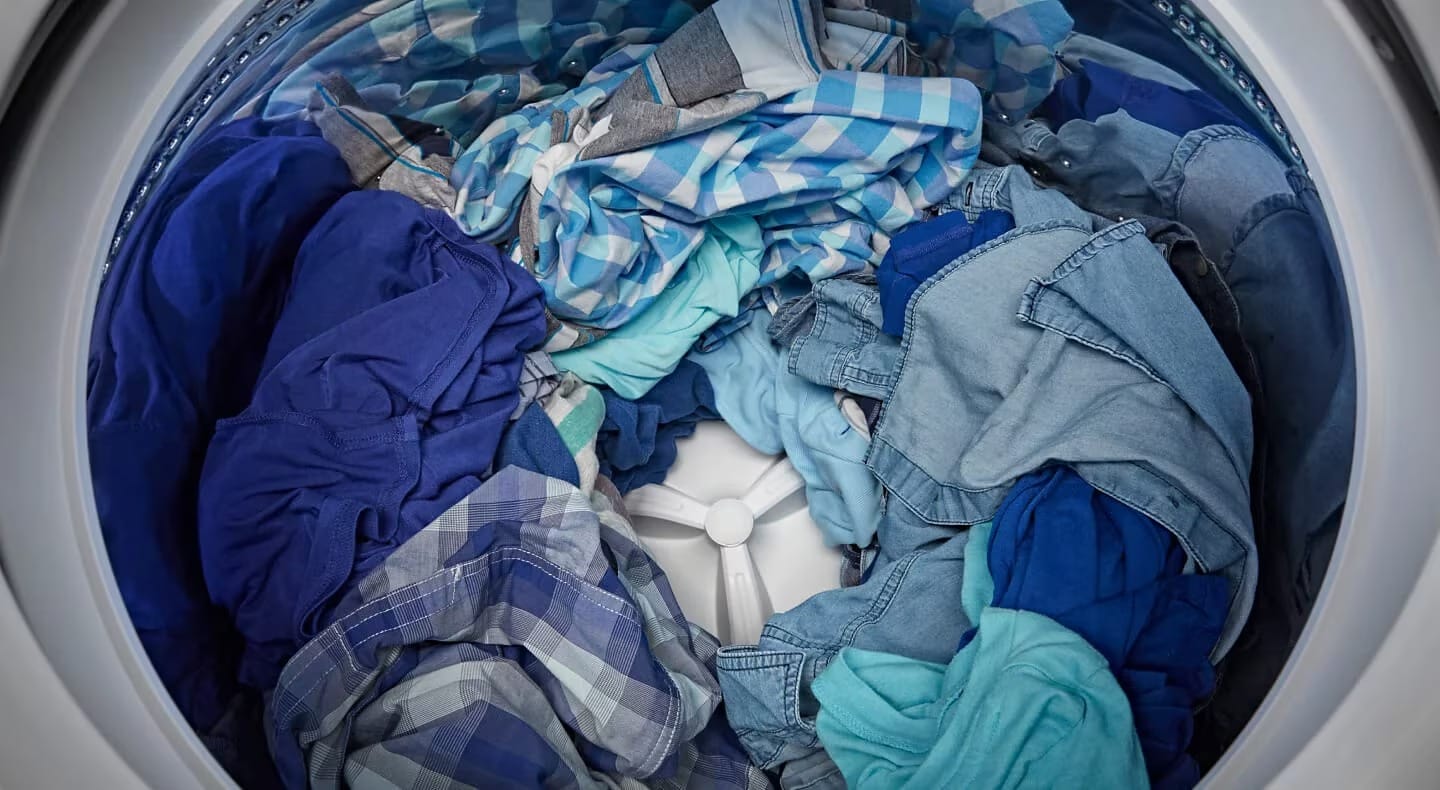
If you’ve ever started a modern washing machine and noticed it pauses, spins briefly, or seems to “think” before adding water, you’re not imagining things. That process is called auto sensing, and it’s one of the most important features in today’s high-efficiency washers. While it may feel unusual compared to older machines that filled up immediately, auto sensing is designed to improve performance, reduce water usage, and protect your clothes. Understanding how it works can help you use your washer more effectively and avoid confusion during cycles.
In this guide, you’ll learn exactly what auto sensing is, how it works step by step, and why it plays a key role in modern laundry systems.
What Is Auto Sensing on a Washer?
Auto sensing is a technology that allows a washing machine to automatically detect the size and weight of a laundry load and adjust the water level accordingly. Instead of filling the drum with a fixed amount of water, the washer uses sensors and internal programming to determine how much water is actually needed for optimal cleaning.
This means every load is treated differently. A small load uses less water, while a larger or heavier load receives more, ensuring efficiency without compromising cleaning performance.
How Auto Sensing Works Step by Step
When you press the start button, your washer doesn’t immediately begin filling with water. Instead, it goes through a short sensing phase that may take a few minutes. First, the washer performs a quick system check, often locking the lid for safety. Then, the drum begins to move slowly or spin in short bursts. These movements help the machine estimate the size and weight of the load inside. During this stage, the washer is essentially “measuring” your laundry. It evaluates how the clothes shift, how much space they occupy, and how they absorb water.
Once the washer gathers enough data, it starts adding water in stages. It may fill, pause, and then add more water gradually until it reaches the ideal level for that specific load.
This process ensures that the washer uses just the right amount of water—not too much and not too little.
Why Your Washer Doesn’t Fill All the Way
One of the most common concerns people have is that their washer doesn’t seem to fill completely with water. This is especially noticeable if you’re used to older machines. With auto sensing, it’s normal for clothes not to be fully submerged. Modern washers rely on a combination of water, detergent, and fabric movement to clean effectively.
In fact, using too much water can reduce cleaning performance because clothes won’t rub against each other as effectively. The goal is balance, not saturation.
Benefits of Auto Sensing Technology
Auto sensing is not just a convenience feature—it provides real advantages that improve both performance and efficiency. One of the biggest benefits is water conservation. By adjusting water levels automatically, the washer avoids wasting water on smaller loads. This can significantly reduce your utility bills over time.
Another advantage is improved cleaning efficiency. Because the washer calculates the optimal water level, detergent works more effectively, and clothes are cleaned more thoroughly. Auto sensing also helps protect fabrics. Using the correct amount of water prevents excessive agitation and reduces wear and tear on clothing.
Additionally, the system simplifies the washing process. You don’t need to guess how much water to use or manually adjust settings. The washer handles it for you.
Auto Sensing vs Deep Fill: What’s the Difference?
Many washers offer both auto sensing and a “deep fill” option, and understanding the difference is important. Auto sensing adjusts water levels automatically based on the load size. Deep fill, on the other hand, adds extra water regardless of the load. When you select deep fill, the washer overrides the sensing system and fills to a predetermined level.
This can be useful for heavily soiled items or when you prefer a more traditional wash style. However, it typically uses more water and may reduce efficiency.
Common Misconceptions About Auto Sensing
There are several myths about auto sensing that can lead to confusion. One of the most common is that the washer is not working because it takes longer to start. In reality, the sensing phase is a normal part of the cycle and ensures proper performance. Another misconception is that low water levels mean poor cleaning. In fact, modern washers are designed to clean effectively with less water by optimizing movement and detergent use.
Some users also believe that auto sensing can be turned off completely. In most modern washers, this feature is built into the system and cannot be disabled because it is essential for proper operation.
What Happens If You Interrupt the Sensing Cycle?
Opening the lid or interrupting the washer during the sensing phase can affect how the machine operates. In many cases, the washer will restart the sensing process when you close the lid. In some models, interrupting the cycle may cause the washer to default to a higher water level as a safety measure. For best results, it’s recommended to let the sensing process complete without interruption.
When Auto Sensing Might Not Work Properly
While auto sensing is reliable, there are situations where it may not function correctly. Overloading the washer can prevent accurate sensing, as the machine may struggle to detect the true size of the load. Unevenly distributed laundry can also cause issues, leading to incorrect water levels. In some cases, clogged pressure sensors or faulty components may affect performance. If your washer consistently uses too little or too much water, it may require professional inspection.
Tips for Getting the Best Results
To get the most out of auto sensing technology, it’s important to use your washer correctly. Load clothes evenly around the drum to help the machine detect the load accurately. Avoid overloading, as this can interfere with sensing and reduce cleaning performance. Use the recommended amount of detergent, especially high-efficiency formulas designed for modern washers. Too much detergent can affect how the washer interprets the load and may lead to poor results.
It’s also helpful to choose the appropriate cycle for your laundry type, as different settings can influence how the sensing system operates.
Why Auto Sensing Matters in Modern Washers
Auto sensing represents a major shift in how washing machines operate. Instead of relying on fixed settings, modern washers adapt to each load in real time. This not only improves efficiency but also enhances cleaning performance and fabric care. By using just the right amount of water and adjusting dynamically, auto sensing ensures that every load is handled optimally. For homeowners looking to save water, reduce energy costs, and simplify laundry routines, this feature is a significant advantage.
Auto sensing on a washer may seem unfamiliar at first, especially if you’re used to older machines that filled up completely with water. However, this technology is designed to deliver better results with less waste. By automatically adjusting water levels based on load size, auto sensing improves efficiency, protects your clothes, and ensures consistent cleaning performance.
If your washer pauses, spins briefly, or takes time before filling, it’s not a problem—it’s a smart system working exactly as it should.
Understanding how auto sensing works allows you to use your washing machine more effectively and get the best results from every load.